Compare Local Contractors for Brick Masonry Restoration Projects
Compare local contractors for brick masonry restoration to define project scope, verify experience, and set clear expectations for a successful property upgrade.
Brick masonry restoration involves repairing and preserving existing brick structures to maintain their integrity and appearance. This work often includes repointing mortar joints, replacing damaged bricks, cleaning surfaces, and addressing issues like cracks or water intrusion. Proper restoration helps extend the lifespan of brickwork, ensuring that historic or aging structures remain safe and visually appealing. When planning a restoration project, understanding the scope of work is essential to ensure that all necessary repairs are addressed and that the finished result meets expectations.
Defining the scope of brick masonry restoration is a key step in the process. A clear scope outlines the specific tasks involved, such as which areas require repair, the types of materials to be used, and the level of surface cleaning or preservation needed. Having these details in writing helps prevent misunderstandings and ensures that property owners and contractors are aligned on project goals. It also provides a basis for evaluating proposals and selecting service providers with the appropriate experience and expertise for the type of restoration required.
Property owners can effectively compare local contractors by reviewing their experience with similar projects, verifying their familiarity with the specific types of brickwork involved, and examining their approach to scope definition. Asking for detailed descriptions of past work, references, and examples of completed projects can provide insight into a contractor’s capabilities. Additionally, establishing clear communication about the scope and expectations early on helps ensure a smoother process and a final result that aligns with the property owner’s needs. Using these practical steps can lead to more informed decisions when choosing a contractor for brick masonry restoration.
Compare local contractors by outlining project priorities, verifying experience, and clearly defining scope and expectations in writing.
- Verify Experience and Credentials - Confirm that contractors have relevant experience in brick masonry restoration projects.
- Define Project Scope Clearly - Clearly outline the work to be performed to ensure mutual understanding and set expectations.
- Compare Multiple Service Providers - Evaluate local contractors based on their expertise, reputation, and service offerings.
- Request Written Estimates and Agreements - Obtain detailed, written descriptions of work and agreements to prevent misunderstandings.

Clearly describe your brick masonry restoration project to effectively compare local contractors, define scope, verify experience, and set expectations in writing.
- Verify experience and references related to brick masonry restoration projects. - Ensure the service providers have a proven track record with similar restoration work.
- Define the scope of work clearly in writing to avoid misunderstandings or scope creep. - A detailed scope helps compare contractors effectively and sets clear expectations.
- Assess the contractor’s knowledge of proper brick repair techniques and materials. - Experienced contractors should demonstrate familiarity with historical and modern restoration methods.
- Request a detailed written proposal outlining the work to be performed and materials to be used. - Clear documentation aids in comparing services and understanding the extent of the restoration.
- Check that the contractor understands site-specific conditions and potential challenges. - Local service providers should be aware of regional building codes and environmental factors affecting restoration.
- Ensure all project details, including scope, materials, and expectations, are documented before work begins. - Proper documentation helps prevent disputes and ensures transparency throughout the project.
Compare local contractors’ experience and services to clearly define your brick masonry restoration scope.
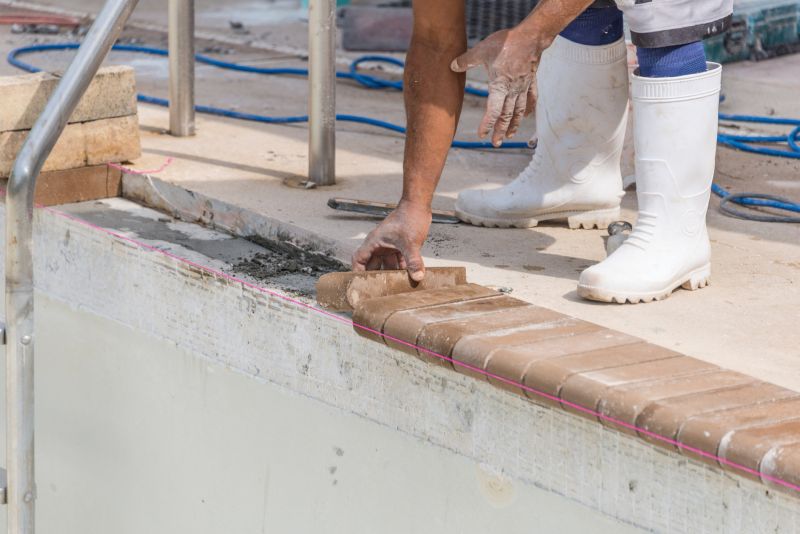

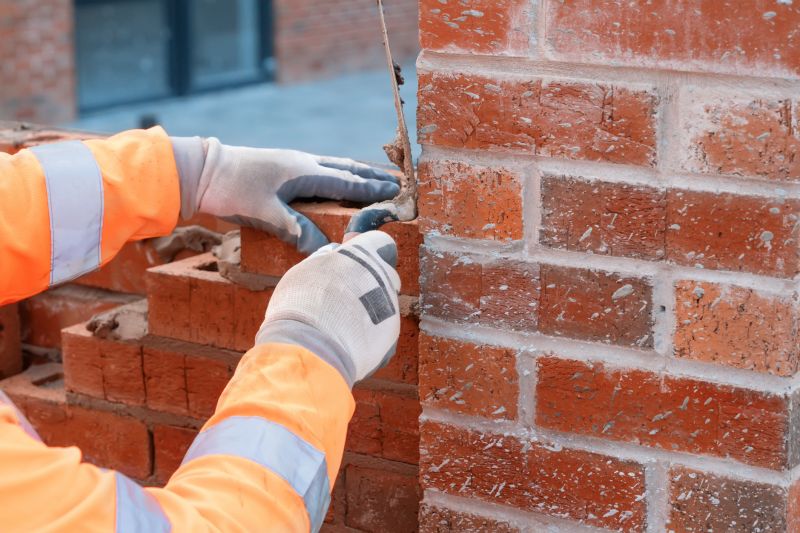

This section helps you compare local contractors for brick masonry restoration by defining scope, verifying experience, and setting clear expectations without prices.
- Project Scope - Clearly define the specific brick masonry restoration tasks required for the project.
- Experience and Expertise - Verify the experience level of local contractors in performing brick masonry restoration.
- Materials and Methods - Specify the types of materials and restoration techniques preferred or required for the project.
- Work Standards and Expectations - Establish the quality standards and detailed work expectations in written documentation.
- Permits and Codes - Determine any necessary permits or compliance requirements relevant to the restoration scope.
When evaluating contractors for brick masonry restoration, it’s important to consider their experience with similar projects. Homeowners should inquire about the types of buildings or structures the service providers have worked on previously, ensuring their expertise aligns with the specific needs of the project. A contractor’s familiarity with the particular materials, techniques, and challenges associated with restoring brickwork can influence the quality and durability of the work. By reviewing a contractor’s portfolio or asking for references related to comparable projects, homeowners can gain insight into their practical experience and ability to handle the scope of the restoration.
Clear, written documentation of the project scope is essential when comparing local contractors. A detailed scope outlines the specific tasks, materials, and methods that will be employed during the restoration process. This clarity helps prevent misunderstandings and sets realistic expectations for what the project will entail. Homeowners should seek proposals that define each phase of work in writing, allowing for a straightforward comparison of the services included and ensuring that all parties are aligned on the project’s objectives.
Verification basics involve confirming that a contractor’s credentials and track record are in order. While licensing and certification are not the focus, homeowners can verify experience by reviewing references, previous project descriptions, and any available documentation of completed work. Asking service providers about their approach to quality control, project management, and problem resolution can also provide insight into their reliability and professionalism. These steps help establish confidence that the selected contractor has the necessary background to handle the restoration effectively.
Evaluating options without discussing prices involves assessing the quality of proposals, experience, and communication. Homeowners should compare how well each contractor understands the project scope, the level of detail in their written plans, and their responsiveness to questions. It’s also valuable to consider the reputation of the service providers within the local community, as well as their history of completing similar projects successfully. By focusing on these qualitative factors, homeowners can make informed decisions that prioritize the expertise and reliability of the contractors, rather than just cost considerations.
Ask contractors for written scope details to ensure clear expectations and consistent project understanding.
- Experience and Expertise - What specific experience do the contractors have with brick masonry restoration projects similar to yours?
- Scope of Work - How do contractors define and outline the scope of work to ensure all restoration needs are addressed?
- Materials and Techniques - What materials and restoration techniques do the service providers recommend for your project's requirements?
- Project Management and Communication - How do contractors handle project oversight and keep clients informed throughout the restoration process?
- Written Estimates and Agreements - Do the contractors provide detailed, written scope descriptions and agreements to clarify expectations?
How can I ensure a brick masonry restoration contractor has relevant experience? It's important to review a contractor’s portfolio and ask for references that demonstrate experience with similar restoration projects to verify their expertise.
What should be included in a scope of work for brick masonry restoration? A detailed scope should outline the specific tasks, materials, and areas involved in the restoration to help compare different contractors effectively.
How do I compare different contractors for brick masonry restoration? Comparing contractors involves reviewing their experience, scope of work proposals, and written agreements to ensure clarity and alignment with project needs.
Why is it important to have a written agreement with a contractor? A written agreement helps set clear expectations, defines the scope, and provides a record of the agreed-upon work to prevent misunderstandings.
What questions should I ask a contractor before hiring for brick masonry restoration? Inquire about their experience with similar projects, approach to restoration, and how they plan to handle specific challenges related to your project.
How can I verify a contractor’s qualifications for brick masonry restoration? Verify their experience through references, review past work, and ensure they understand the requirements of restoration work for brick masonry.
By understanding the importance of clearly defining the scope of work, verifying the experience of local contractors, and setting expectations in writing, visitors can better navigate their options for brick masonry restoration. Comparing different service providers helps ensure that the project aligns with specific needs and standards, making the selection process more informed and straightforward.
Utilizing the quote form allows visitors to easily connect with local contractors who specialize in brick masonry restoration. This step provides an opportunity to gather information, ask questions, and compare options among nearby service providers, supporting a confident and well-informed decision-making process.